
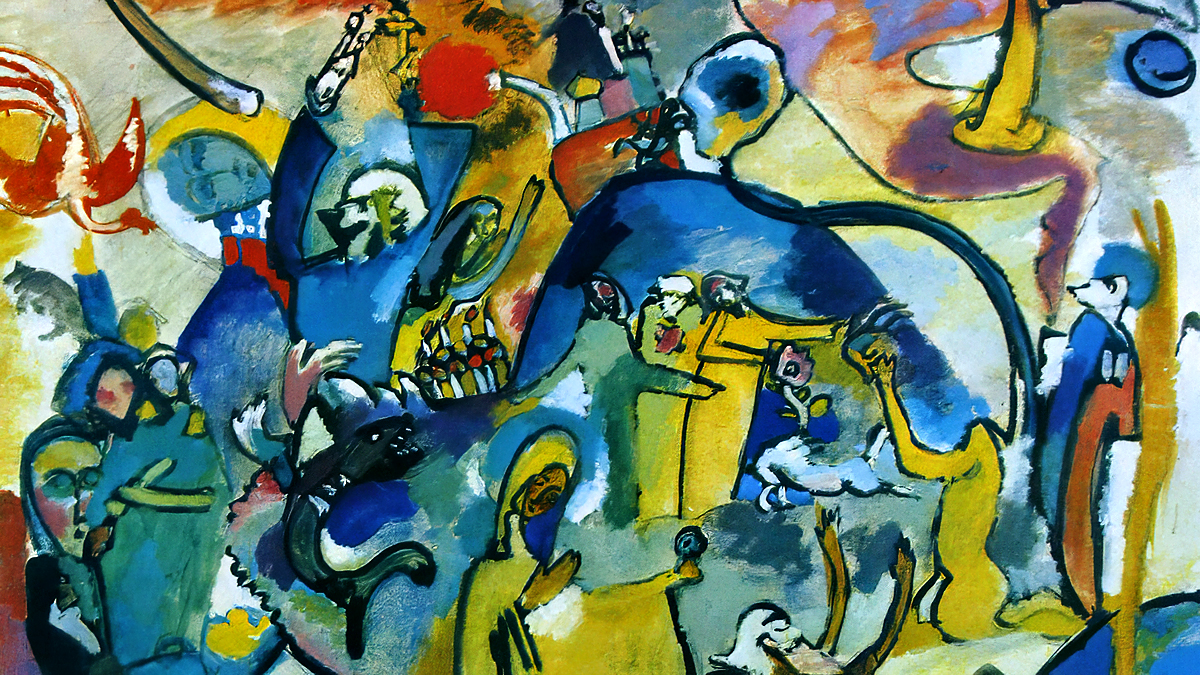

This past November 2, as I was preparing my homily for the celebration of the Commemoration of All the Faithful Departed, I got a new insight into the meaning of our Catholic doctrine of the Communion of Saints.
The insight began to dawn on me as I realized how this day of “All Souls” is so close in meaning to the feast of “All Saints” that the church celebrated the day before.
Feasts That Overlap
In the Philippines, where I worked for almost nine years in the 1970s, it was on the feast of All Saints that people would go to the cemetery to venerate and commemorate their dead.
In Latin America, and among Latino/as in the United States, the same holds true.
For several years now, when I have presided at Eucharist on All Saints’ Day, I’ve begun the celebration with the greeting: “Happy Feast Day!”
All Saints is not just a day when we remember only the many canonised saints in the church. It is the day when we remember the hidden saints in our lives—grandparents, friends, special teachers or other people who have inspired us.
Saints struggle with us
not above us.
It is also a day to honour holy figures in history who are perhaps not Catholic or Christian but “saints” nonetheless: Martin Luther King, Dorothy Day, Mahatma Gandhi, Albert Schweitzer, Corrie ten Boom. The list is very long.
All Saints is also the day we remember that we ourselves, according to St. Paul (see 1 Cor 1:2), are saints, and we share the promise of glory because we are already one with Christ by our baptism.
The Communion Blurs
Just like All Saints’ Day and All Souls’ Day blur into one another, it began to dawn on me that the doctrine of the Communion of Saints can get blurred as well.
We speak traditionally of the “church militant”—those of us who are still struggling for holiness—the “church suffering”—those undergoing purification—and the “church triumphant”—those who have made it into eternal glory.
I began to wonder: aren’t we who are already baptised sharing in future fulfilment?
Thomas Aquinas spoke of grace as the “seed of glory.”
Aren’t those already in heaven struggling with us and beside us in our work for justice and peace, inspiring us to live wholesome and reconciled lives?
I think we should pray with the saints rather than to them. They are our companions in the struggle.
Suffering and Solidarity
Aren’t the poor and marginalised of this world part of the “church suffering”—in Gaza, Ukraine, Sudan, Myanmar, and Haiti?
I was clued into this by a letter for All Souls’ Day by our Chicago Archbishop, Cardinal Blase Cupich.
He wrote, “Our work for the poor who are on this side of the curtain of eternity also should be part of our holiness. We cannot pray for the dead who are poor souls if we don’t also work for the poor souls on this side of eternity.”
I began to realise that the doctrine of the Communion of Saints is much more than just people in three different states in communication with one another.
The curtain is much thinner than I had thought. We are all part of each others’ lives. We blur into one another.
I saw a whole other side of the doctrine that I thought was worth sharing here in “Flashes.”
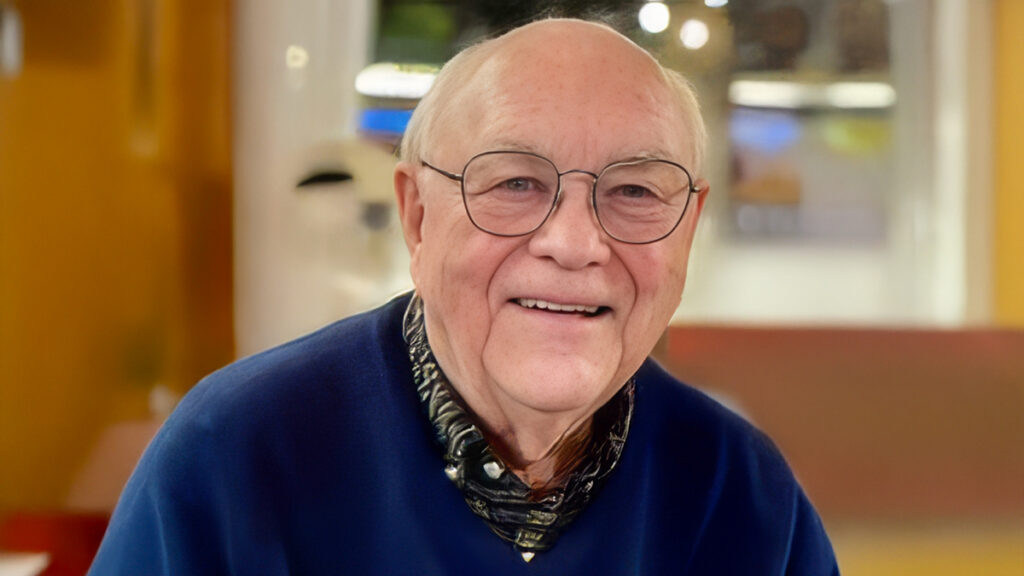
- Stephen B. Bevans, SVD, is a priest in the Roman Catholic missionary congregation of the Society of the Divine Word (SVD). He is the Louis J. Luzbetak, SVD Professor of Mission and Culture, Emeritus, at Catholic Theological Union, Chicago. He has edited or published twenty-one books, the latest of which is Community of Missonary Disciples: The Continuing Creation of the Church (Orbis, 2024)