
Social Justice
-
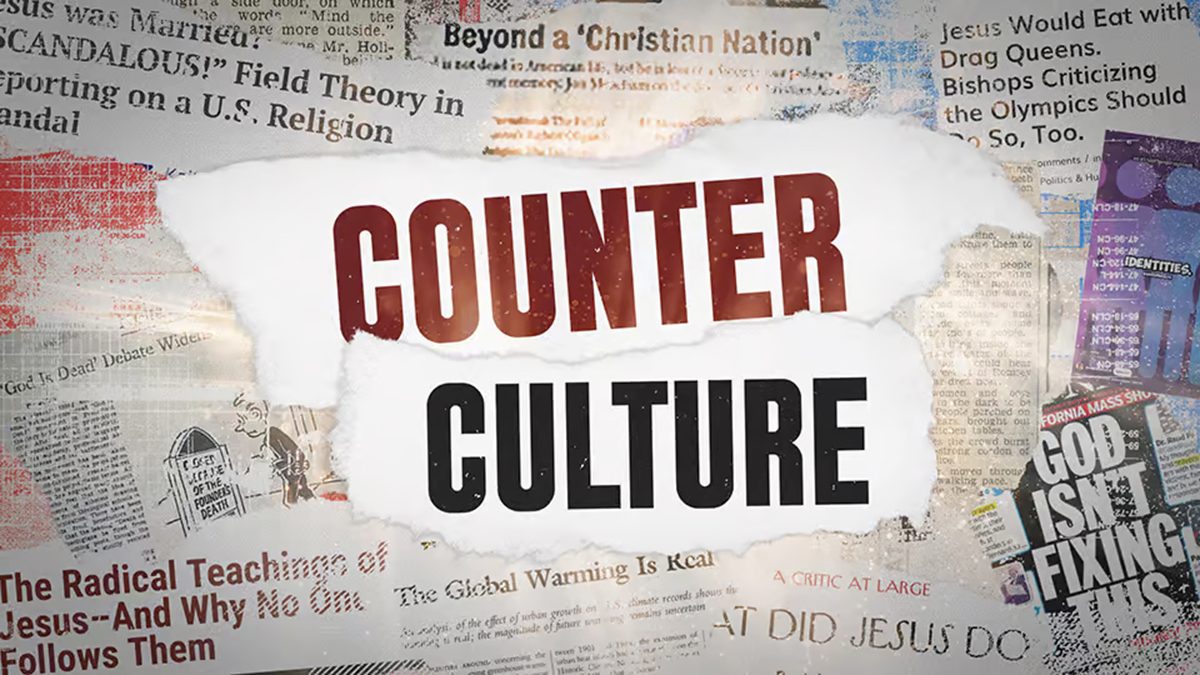
Being counter-cultural or just being awkward
From the women’s movement to immigrant rights, faith often finds itself at odds with society in ways that require ensuring these tensions are rooted in justice rather than fear of social change.
-
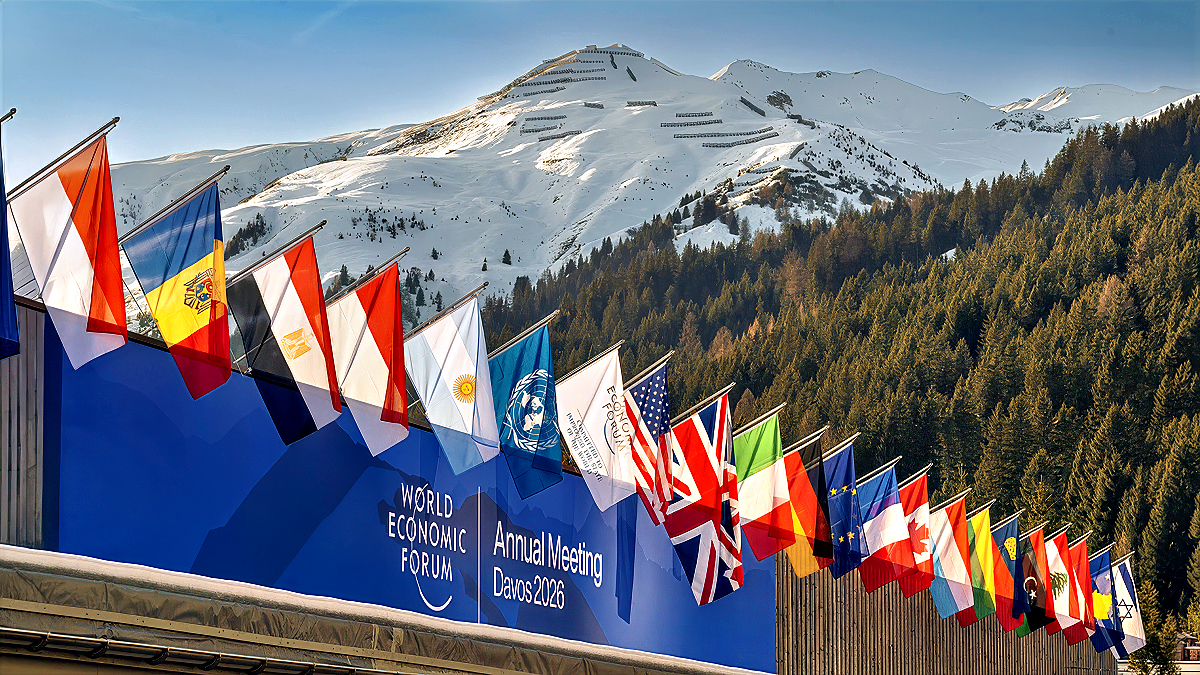
World leaders need more than summits — they need synodality
Canadian Prime Minister Mark Carney’s stark warning at Davos about a rupture in the world order has renewed the question of whether world leaders need a new framework — something deeper than summits and UN resolutions — to address a world in crisis.
-
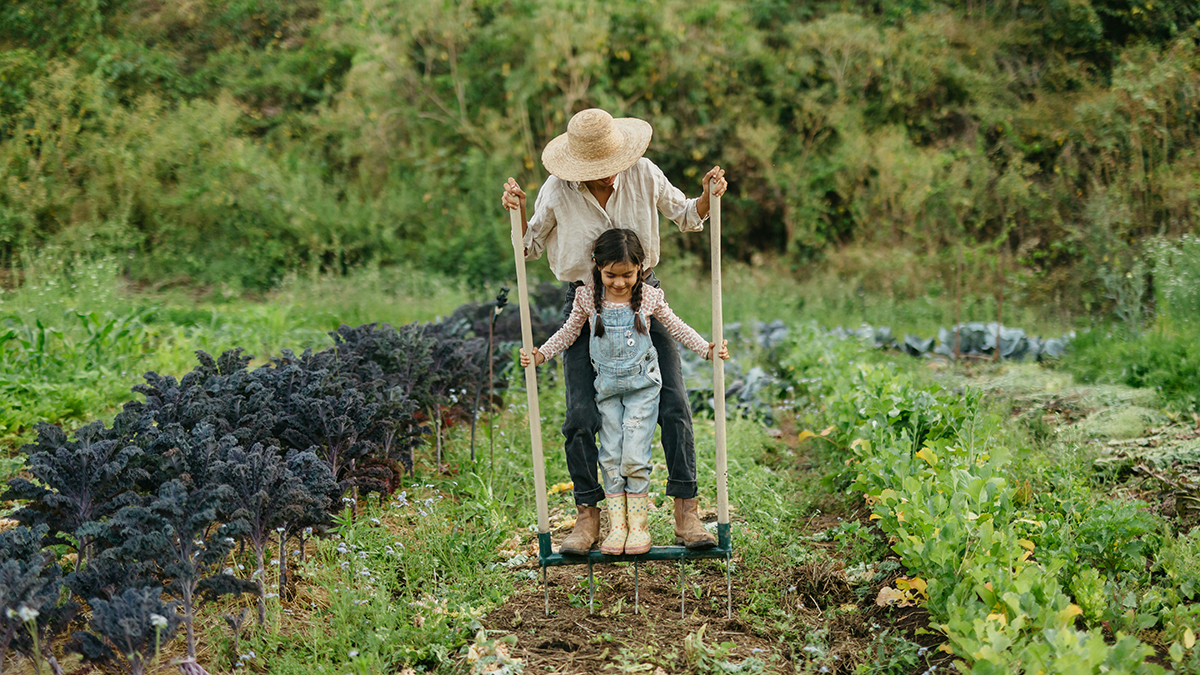
Hope wears an apron, not a crown
In a noisy world, service is how faith still speaks. It’s less about what we believe and more about how we live. When words fail — and they often do — a kind gesture says: you matter, and you are not alone.

-
The world needs more than just common sense
When “common sense” fails the heart, where do we turn? A look at how imagination allows us to see possibilities that simple precedent cannot offer. By expanding our vision, we find new ways to live with purpose in a difficult, often cynical world.

-
What if love doesn’t look away?
Jacinda Ardern declared the Christchurch attacker nameless, embodying our desire to erase those who harm us. But if her compassionate “they are us” extends to victims, what happens when we apply that same lens to perpetrators? The question unsettles our moral categories profoundly.
-
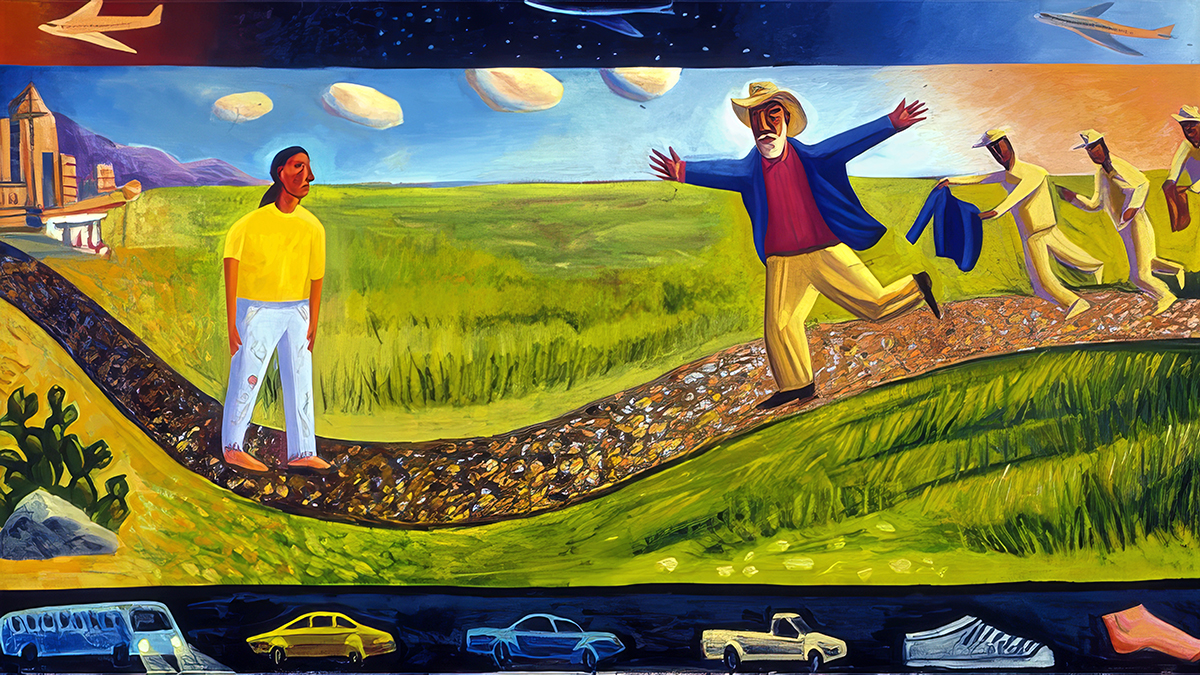
The ideology of “the land” and its quiet power over politics and culture
Land is more than physical territory. It holds emotion, memory, and meaning. Across cultures and histories, land becomes a source of identity, pride, and grief. Its importance transcends soil—it shapes who we are, where we belong, and how we understand others and ourselves.
-
From Gaza to Heaven: One church
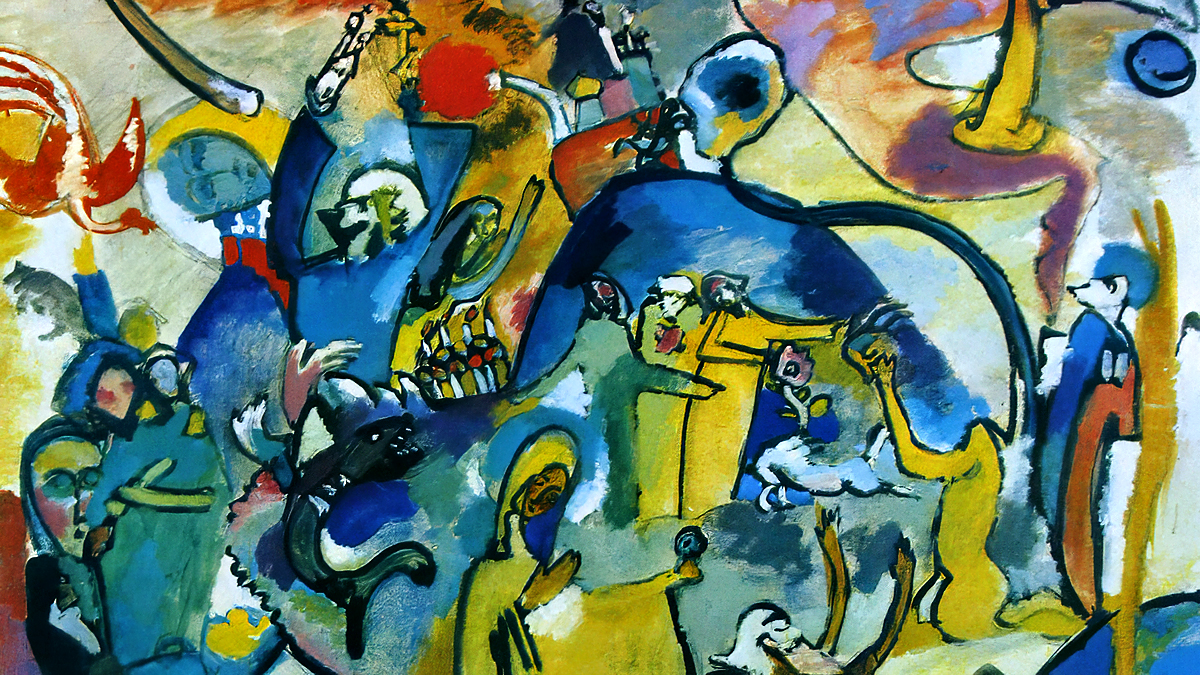
The Communion of Saints is not a tidy diagram of heavenly categories, but a living, breathing mystery. The boundaries are porous. Those struggling in war zones or poverty share something real with the canonised. All are caught up in one story of grace.
-
Migrant mothers at Christmas
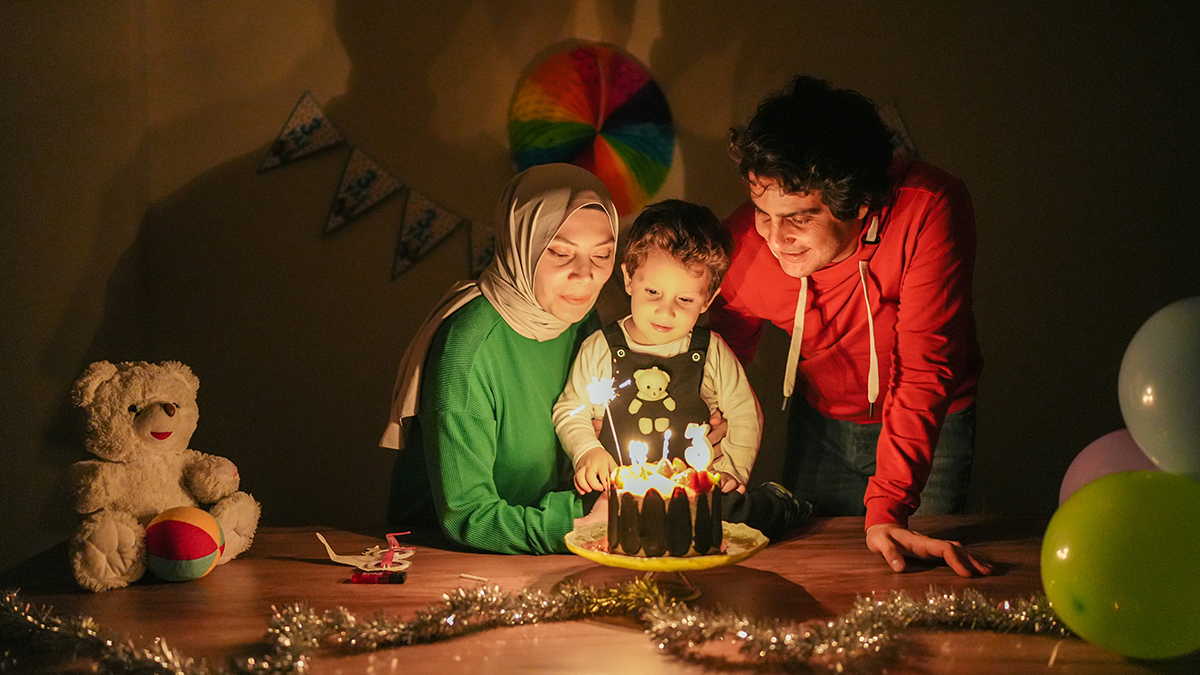
Seeing Jesus as a refugee reorients Christmas. His birth and life challenge us to resist dehumanisation, reject fear of the outsider, and embrace a theology of movement, mercy, reconciliation, and shared humanity. The Nativity becomes a call to justice, not just sentiment or celebration.
-
Trump absent from US Bishops’ mass deportation statement
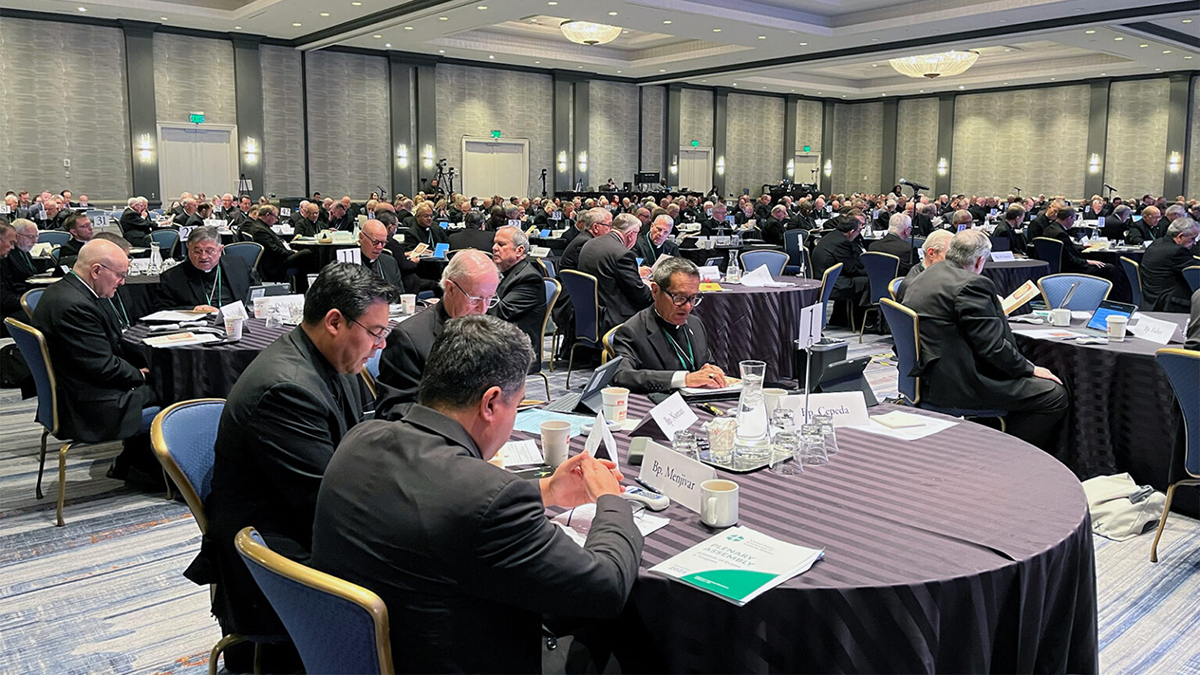
An urgent message on immigration nearly failed to reach the agenda at the bishops’ meeting in Baltimore. Only behind closed doors did leaders push to address the crisis, ultimately empowering four bishops to draft the hard-won pastoral statement.
-
Dehumanisation fuels violence
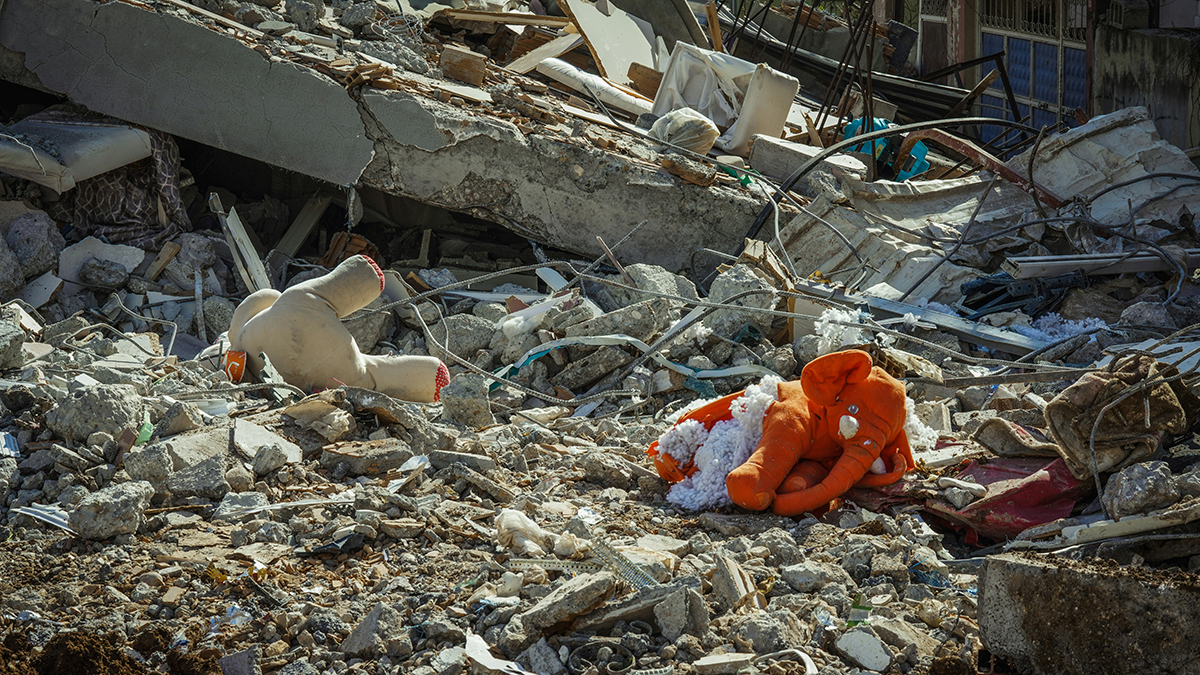
Once hatred is sanctified as duty, violence can masquerade as obedience to God rather than rebellion against compassion. Scholars have tried to suggest the text was hyperbolic. Yet, these verses reveal the deep mechanism by which fear and faith intertwine in acts of exclusion.
Get Flashes of Insight
Donate
All services bringing Flashes of Insight are donated.
Significant costs, such as those associated with site hosting, site design, and email delivery, mount up.
Flashes of Insight will shortly look for donations.