
Human Dignity
-
The world needs more than just common sense
When “common sense” fails the heart, where do we turn? A look at how imagination allows us to see possibilities that simple precedent cannot offer. By expanding our vision, we find new ways to live with purpose in a difficult, often cynical world.

-
What if love doesn’t look away?
Jacinda Ardern declared the Christchurch attacker nameless, embodying our desire to erase those who harm us. But if her compassionate “they are us” extends to victims, what happens when we apply that same lens to perpetrators? The question unsettles our moral categories profoundly.
-
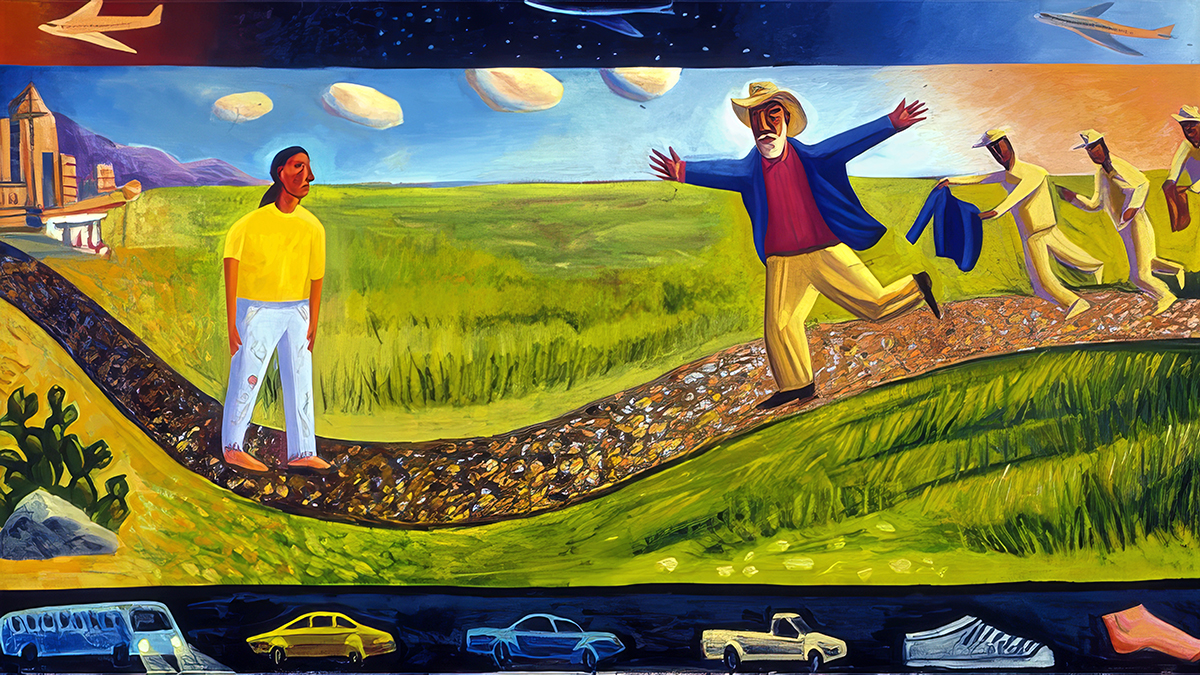
Migrant mothers at Christmas
Seeing Jesus as a refugee reorients Christmas. His birth and life challenge us to resist dehumanisation, reject fear of the outsider, and embrace a theology of movement, mercy, reconciliation, and shared humanity. The Nativity becomes a call to justice, not just sentiment or celebration.
-
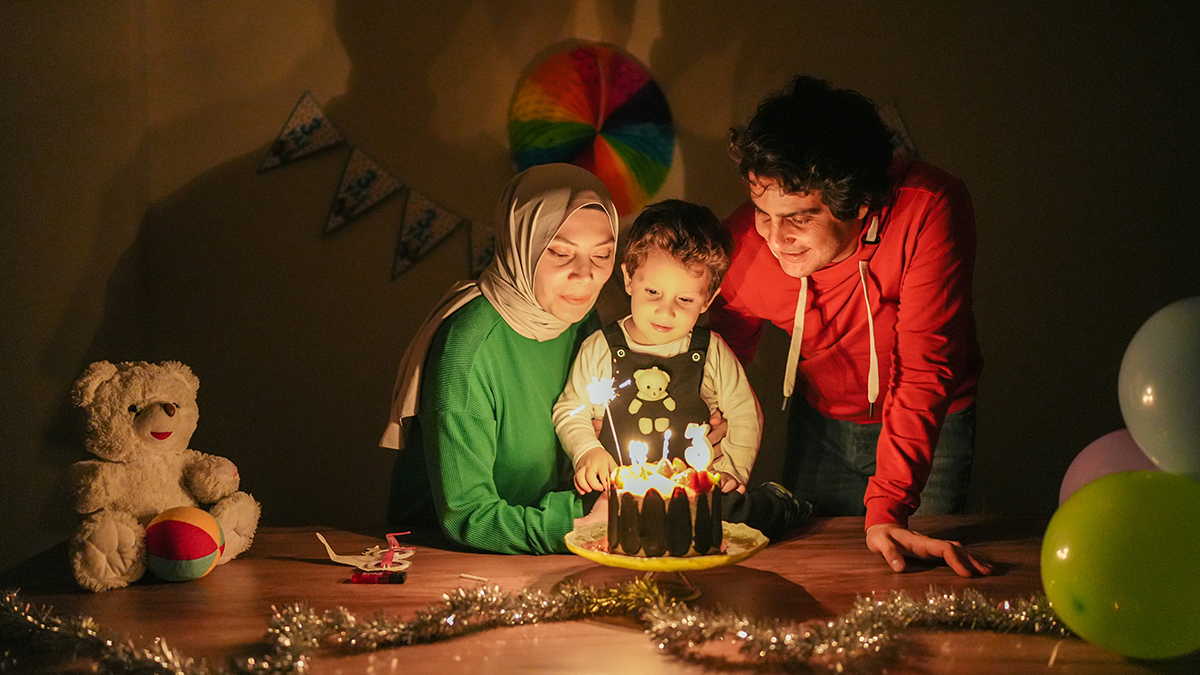
When divine justice feels delayed
esus’ assurance that God’s chosen will find quick justice seems contradicted by human experience. The faithful must grapple with the gap between divine promise and human suffering, asking what role God—and we—play in the story of justice.

-
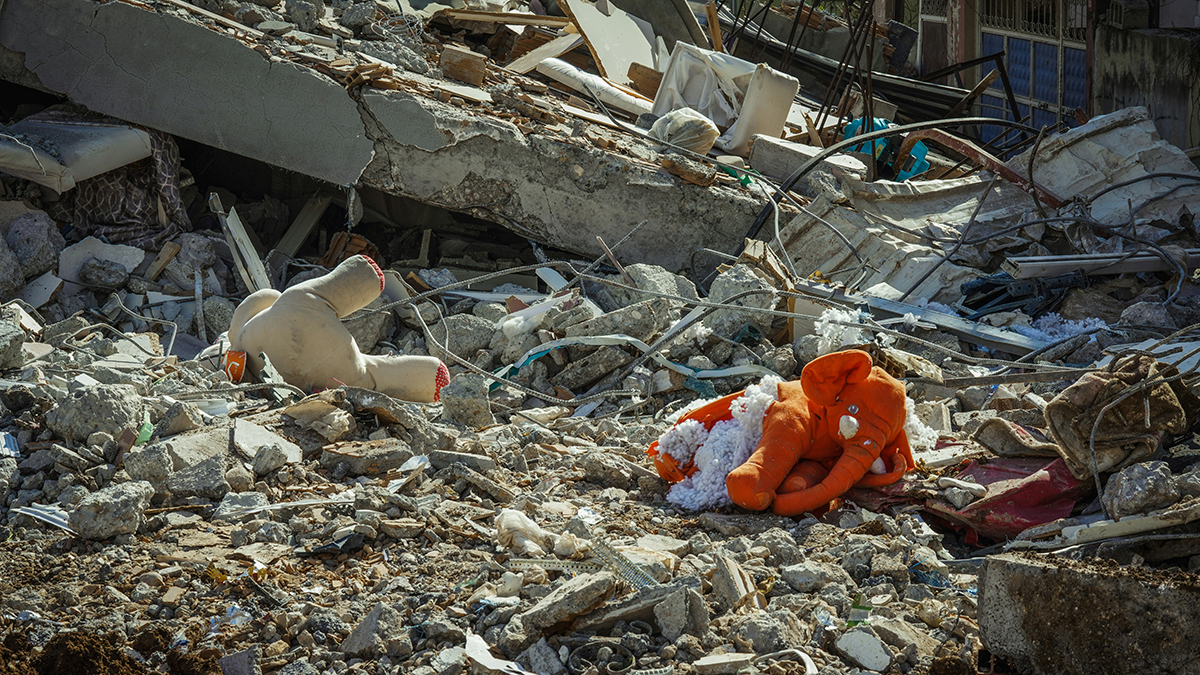
Dehumanisation fuels violence
Once hatred is sanctified as duty, violence can masquerade as obedience to God rather than rebellion against compassion. Scholars have tried to suggest the text was hyperbolic. Yet, these verses reveal the deep mechanism by which fear and faith intertwine in acts of exclusion.
-
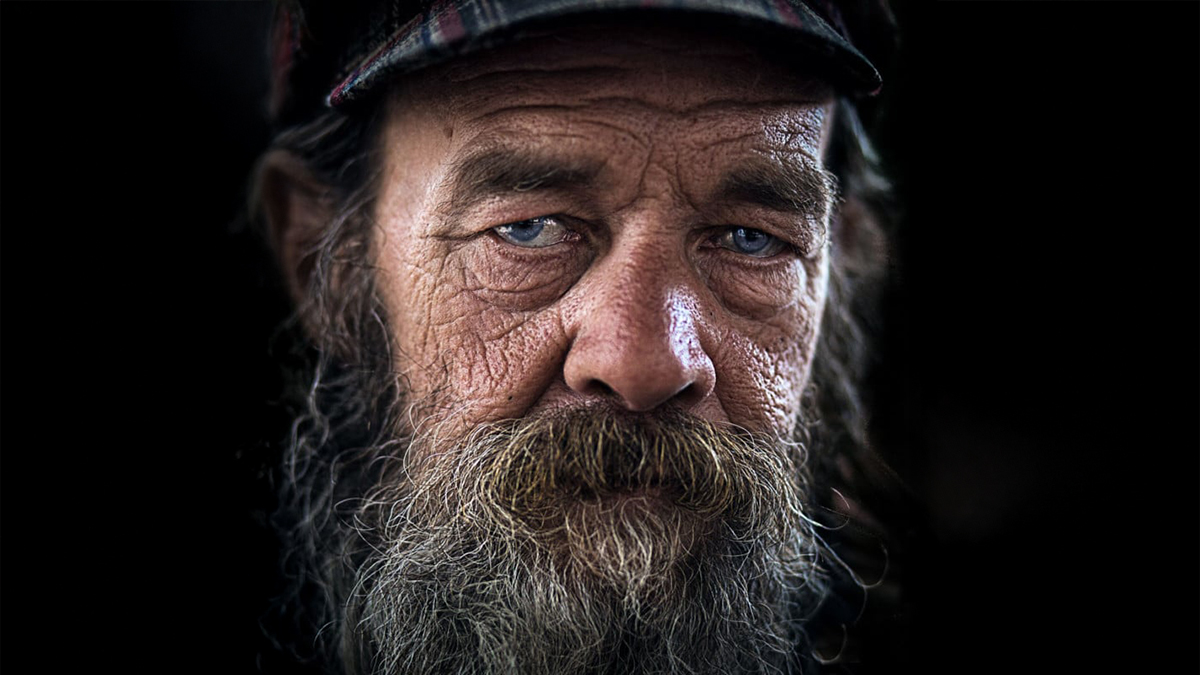
Beyond statistics: poverty is personal
Poverty wears a human face. We see it in those we pass on the street and, at times, in ourselves. This reflection calls us to compassion and solidarity—to stand with and for the poor, and to rediscover the shared humanity that poverty obscures.
-
Elders still matter in Digital Age
In an era obsessed with youth and technology, older people are often reduced to stereotypes of dependency. Yet many live active, rich lives, defying the idea that ageing is solely decline. Diversity defines the experience of growing old.

-
Ritual exile — modern stigma
Who do we cast out today—those we fear, those we blame, those who differ from us? The ancient story still asks how far we go to preserve purity, and what kind of holiness demands exclusion.

-
The paradox of stability offline, fury online
When anger goes unchecked online it can spiral into cruelty. Anonymity fuels extreme behavior. Shaming replaces dialogue. Dialogue is a safeguard.

-
Mercy before rules
Jesus meets the wound before the rule—touching the leper, lifting the bent woman, calling her daughter. The Church is called to do the same, placing mercy and care ahead of judgment or doctrinal debate. Mercy before rules.
Get Flashes of Insight
Donate
All services bringing Flashes of Insight are donated.
Significant costs, such as those associated with site hosting, site design, and email delivery, mount up.
Flashes of Insight will shortly look for donations.