
Communications & Media
-
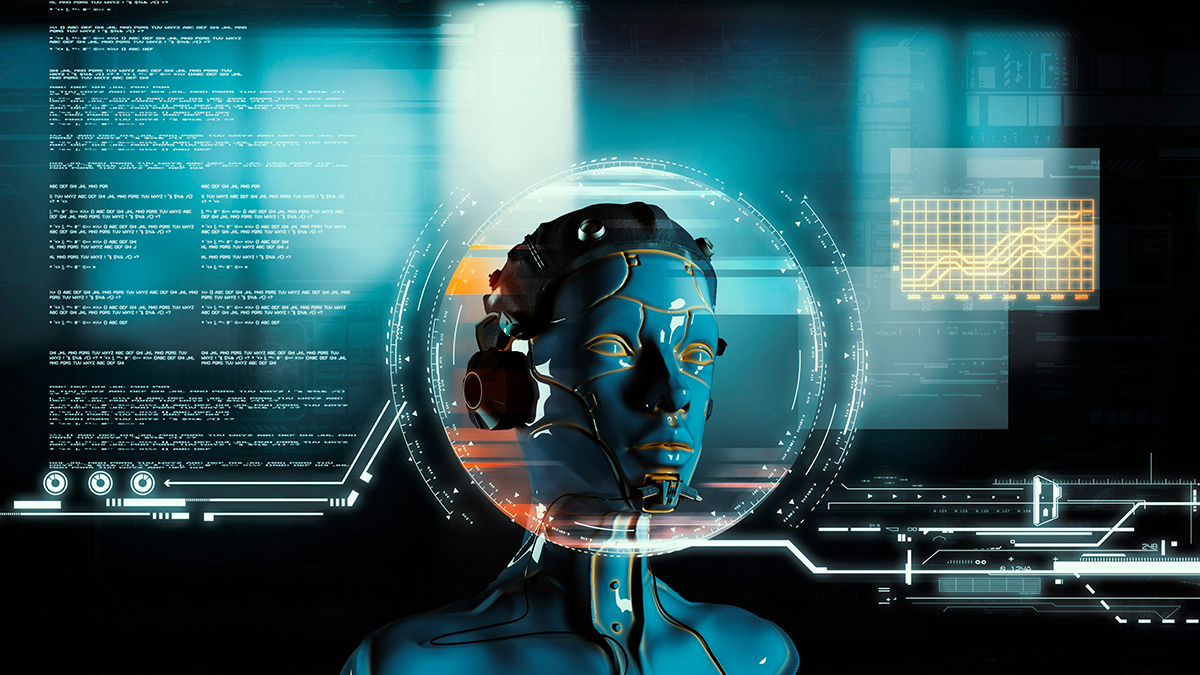
Artificial intelligence as seen by two popes
As artificial intelligence reshapes work, culture and decision-making, two pontificates converge on a deeper concern – not technological progress itself, but the risk of reducing human life to efficiency, calculation and control.
-
The future of Church is hybrid: local digital strategy needed
The “Silver Surfer” is becoming a primary demographic for church digital communication. With 90 percent of seniors online, parishes must shift their strategies away from traditional print to well-curated digital platforms to reach their most active members.

-
Pope Leo asks: Can we stay real in the age of simulation?
Pope Leo’s communication day message arrives when AI touches politics, arts, warfare, employment, education and economy. Rather than becoming overwhelmed by technical details, we need coherent principles. The message provides these by focusing on what makes communication truly human.
-
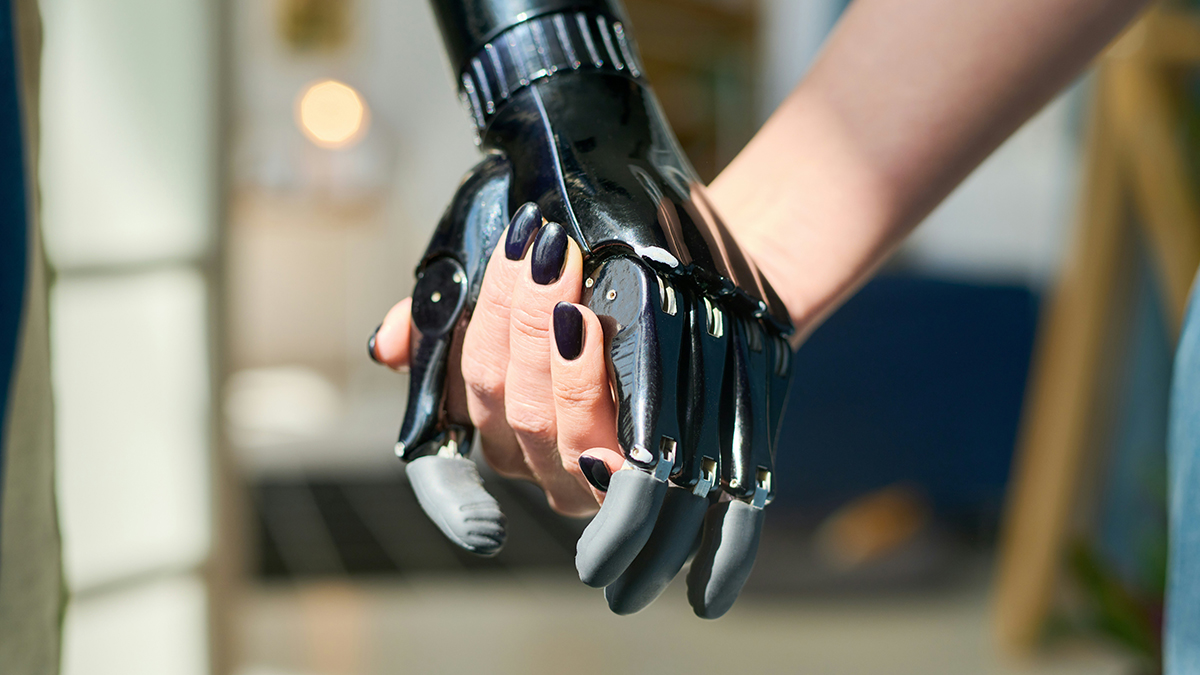
AI can’t bleed
As artificial intelligence reshapes connection, the ancient Gospel command stands firm: love your visible neighbour before claiming to love an invisible God. Technology can link continents, but only sacrificial love builds authentic communion.
-
When Pilate meets the algorithm: AI and the search for truth
Pilate’s ancient question echoes through our digital age. As AI fabricates images, voices, and even popes, the Church faces a timeless challenge: how to tell what’s real. When truth can be generated, edited, and endlessly reshaped, how do we recognise it— and would we even know if we did?

-
Rethinking the God of our Liturgy
The way we describe God has practical consequences. Language and how we speak shape our theology, our worship, and ultimately the way we live our faith in community and in the world. Every phrase we use in prayer becomes an image of God that moulds our hearts, actions, and shared vision of grace.

-
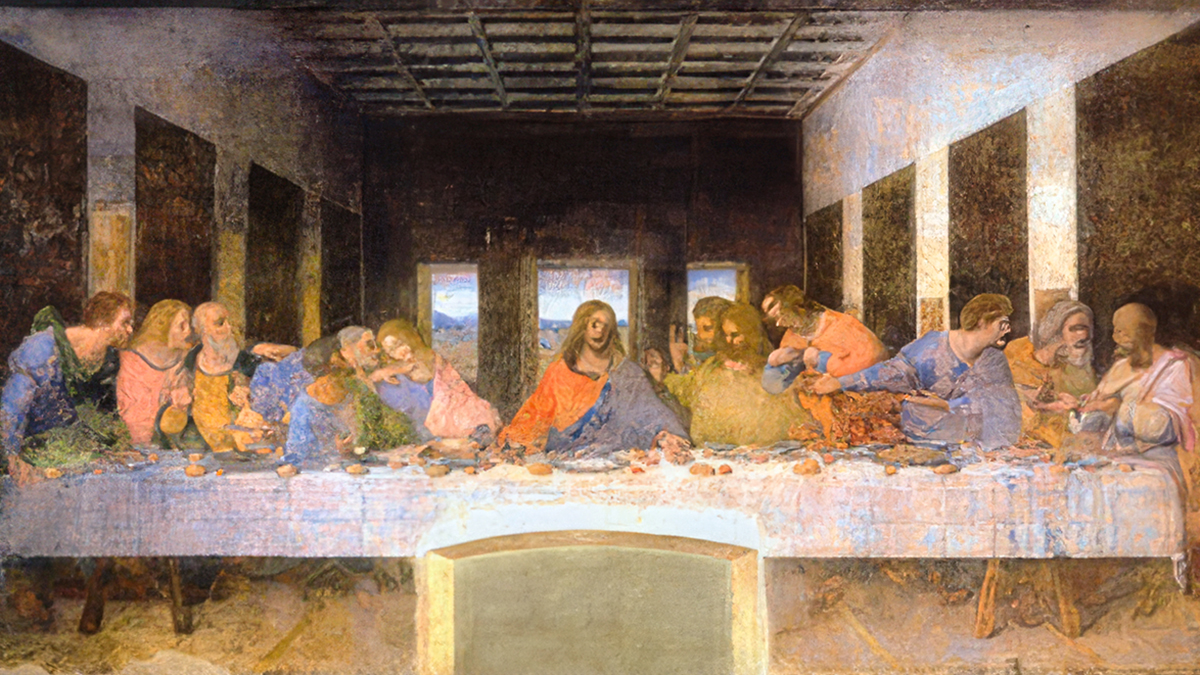
“Last Supper”— great art or fake news?
Leonardo da Vinci’s “Last Supper” is one of the most recognised works in the world, but its beauty may disguise a deeper problem. However, great art—like social media—can sometimes distort truth, creating powerful myths that replace historical reality.
-
Elders still matter in Digital Age
In an era obsessed with youth and technology, older people are often reduced to stereotypes of dependency. Yet many live active, rich lives, defying the idea that ageing is solely decline. Diversity defines the experience of growing old.

-
Society’s critique may reflect the Church’s true image
Society reflects back what the Church projects. Critical voices from outside often echo our own internal dissonance. That’s why listening — even to discomfort — is essential for self-understanding and rebuilding credibility.

-
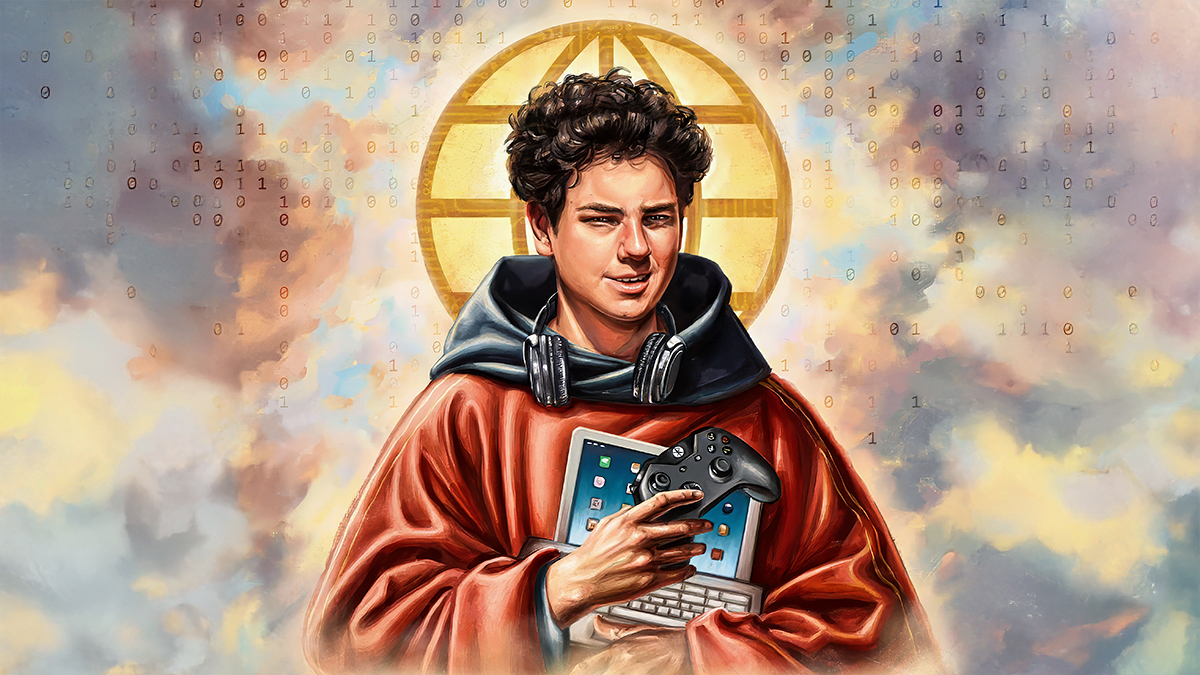
Carlo Acutis: saint of the internet or symbol of conservatism?
The rise of Christian influencers – “Christfluencers” – has shaped how faith is presented online. Their emphasis on miracle healings, biblical literalism, and sexual morality mirrors the spirituality many link with Carlo Acutis, raising concerns about his image being appropriated by right-wing groups.
Get Flashes of Insight
Donate
All services bringing Flashes of Insight are donated.
Significant costs, such as those associated with site hosting, site design, and email delivery, mount up.
Flashes of Insight will shortly look for donations.