
Clericalism
-
Five small parishes model the future of the Church
Perhaps the wider Church does not need to invent new models of synodality. In some places, the model is already there — faithfully lived, week after week, in ordinary parish life. Mizoram is one of those places.

-
Surprise! Vatican shelved another report on women deacons, again.
Regressive induction begins with the answer Church leadership wants and works backwards to find arguments that support it, while persistently ignoring inconvenient historical and theological evidence.
-
Stop chasing status
Ever notice how competition creeps into everything? We copy people we admire—and then fight for the same spotlight. Philippians calls that out, and offers something better: trading rivalry for relationships built on care, not comparison.

-
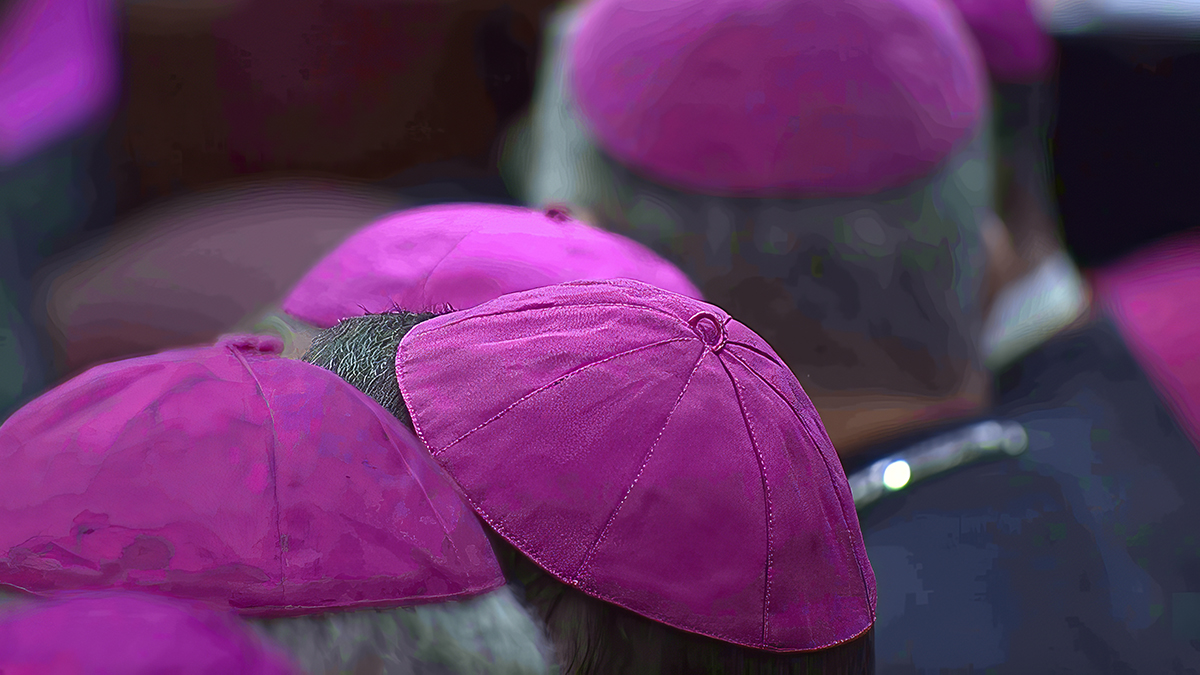
Clericalism hijacks the Church
Ordination was once a commissioning for service within a community. Now, it’s treated as an ‘ontological change’ — a mystical elevation. Exploring shift from “Vicar of Peter” to “Vicar of Christ”.

-
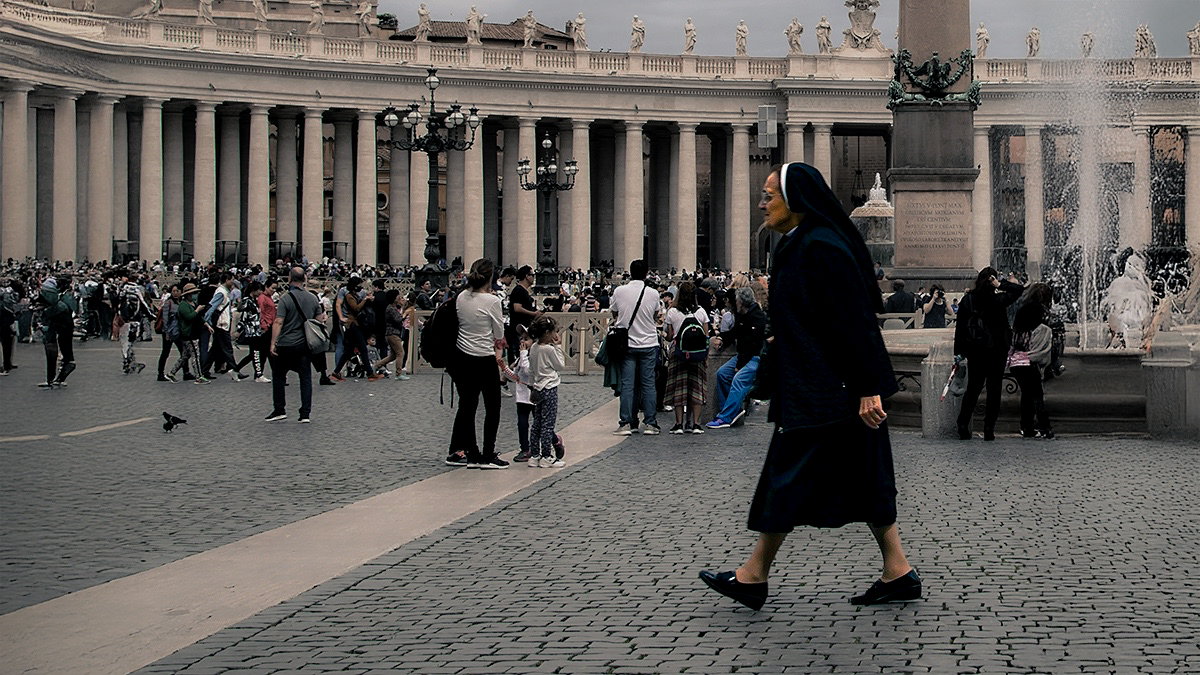
Lay reform owes more to religious than it admits
While lay reformers spoke of inclusivity, it was religious life that had already lived shared leadership. Many lay Catholics found their truest allies among sisters, brothers and priests outside the clerical caste.
-
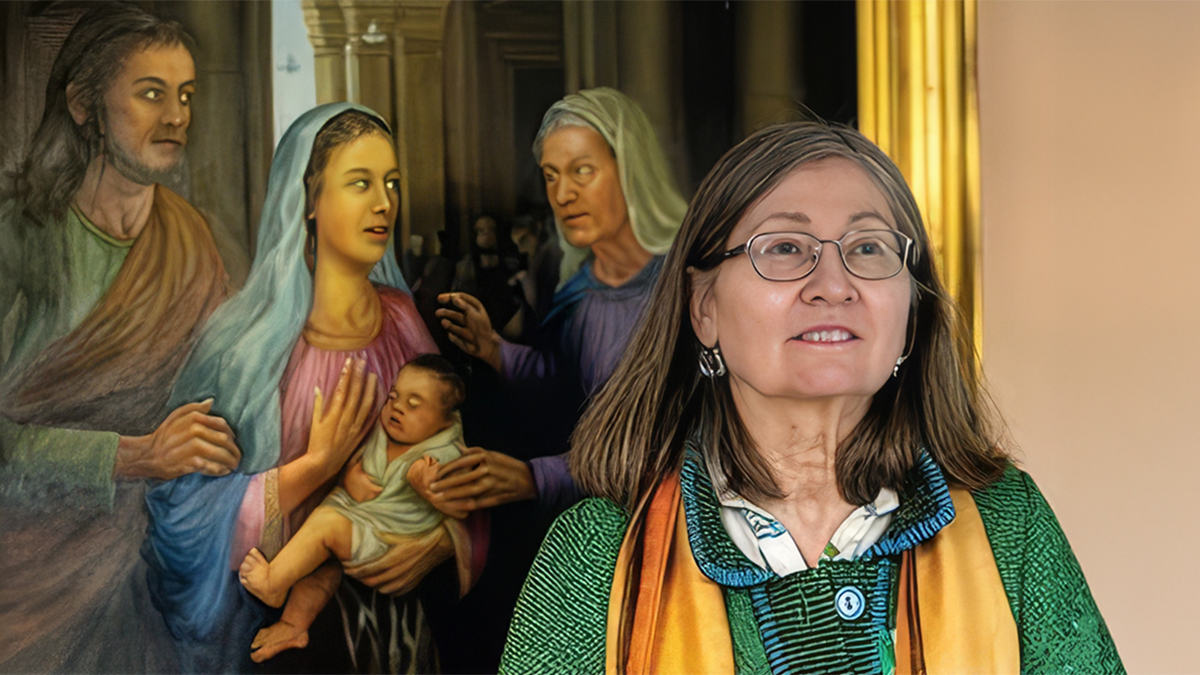
A Divine Calling exposes the cost of clerical disdain
There is pain here, but not bitterness; a Sisyphean struggle, but also joy and humour. The contrast between a rich vocation and the obtuseness that blocks it would be farce if it were not so serious for the People of God.
-
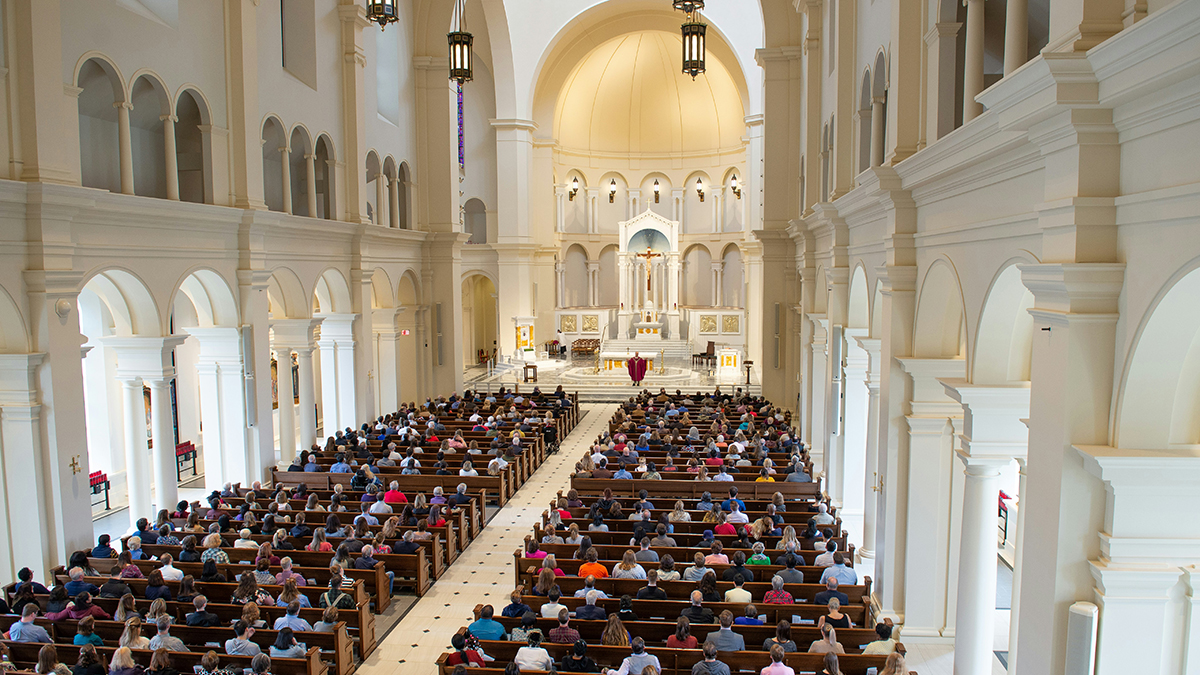
What if the Eucharist wasn’t about the priest?
Strip away clericalism and you find a Eucharist rooted in community, not hierarchy. Augustine imagined a Church where the people gather as priests, not spectators. What if the priest presides by listening first—and the people claimed their power?
-
Are women more aware of Spiritual Abuse?
Spiritual abuse was defined as a misuse of power. It occurs when leaders claim to represent God and demand obedience without question. Subordinates often believe conformity is equal to holiness, making this kind of abuse destructive, insidious, and difficult to challenge.
-
Missionary discipleship: From power over to power with
The terms “clergy” and “laity” can trap us in outdated hierarchies. Could adopting the language of “missionary disciples” help the Church rediscover shared leadership and mutual respect?

-
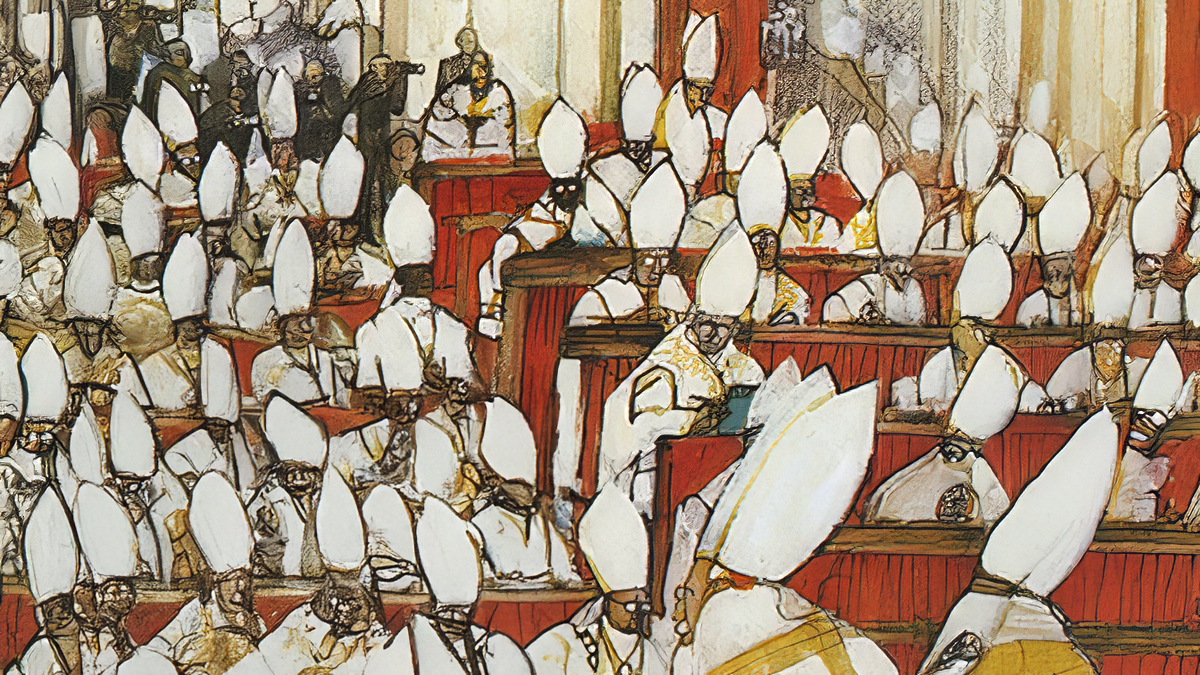
Decoding clericalism
Early Christian communities shared ministry between women and men without the idea of a “sacred” priesthood. The current model evolved from Roman tradition, creating a privileged clerical caste and deepening divisions within the Church over who may serve.
Get Flashes of Insight
Donate
All services bringing Flashes of Insight are donated.
Significant costs, such as those associated with site hosting, site design, and email delivery, mount up.
Flashes of Insight will shortly look for donations.