
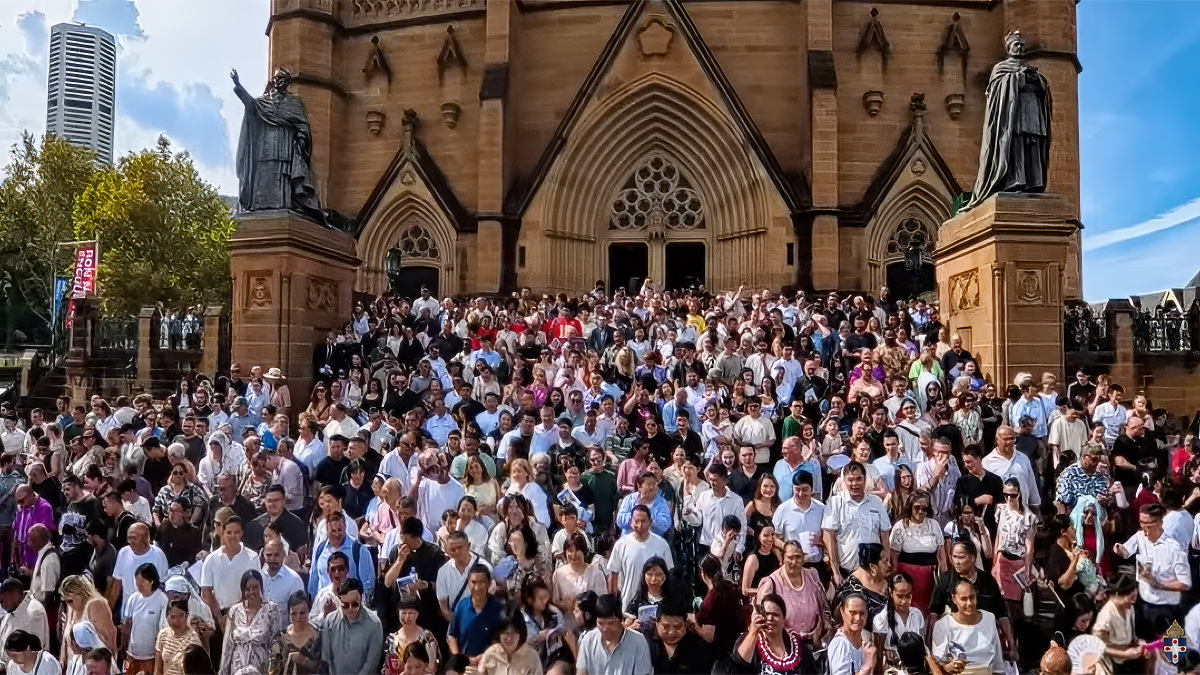
Recently across Australia and around the world, thousands gathered in cathedrals to mark a decisive stage of their life journey.
In 2026, in the Archdiocese of Brisbane, 207 catechumens and 247 candidates (454 in total) gathered with godparents, sponsors and families for the Rite of Election. This stands in contrast to 2025, where only 146 catechumens and 95 candidates (241 in total) were enrolled.
The increase is striking, nearly doubling in a single year. A similar pattern is evident in Sydney, where just over 450 women and men stepped forward this year, up from last year’s record 384.
The momentum is unmistakable.
Such figures suggest a quiet but discernible shift that runs counter to familiar narratives of accelerating secularism.
A worldwide pattern
Similar signs are emerging worldwide.
Last year in France, there were 2652 adult baptisms in the Archdiocese of Paris alone, while nationwide 17,800 catechumens were baptised at the Easter Vigil, including more than 7400 young people aged 11 to 17.
That national figure represented a 45 per cent increase on the previous year and, over the past decade, an increase of more than 160 per cent. Early data from dioceses for 2026, though still incomplete, already points to a further upward trend.
The sustained rise in baptisms over the past five years prompted Archbishop Laurent Ulrich of Paris to convene a diocesan council in January 2026 to discern what this surge might signify.
In 2026, the Diocese of Westminster had its largest celebration of the Rite of Election in fifteen years, with 462 catechumens and 1031 candidates (1493 in total) gathering in Westminster Cathedral.
Many were students and young professionals in their twenties and thirties, often with little religious background. Their journeys were gradual and personal, sparked by friendships, curiosity, online engagement or the quiet witness of Catholic life.
Some first encountered the faith through podcasts or social media. Others were drawn by the beauty of music, architecture and liturgy before they could articulate belief.
Why now?
Part of the answer lies in what sociologists describe as a search for meaning during periods of disruption. We are living in an age of artificial intelligence, hyper-connection and profound loneliness, where algorithms shape identity and belonging can feel transactional.
In such an atmosphere, traditions with depth and embodied community can appear unexpectedly life-giving. The appeal of liturgy and sacramental belonging may be less about nostalgia and more about hunger — a hunger for something that does not shift with the next scroll.
Younger seekers often speak of longing for reverence, structure and rootedness. The predictability of ritual, the gravity of symbol and the rhythms of the Church’s year offer a striking contrast to cultural fragmentation.
Digital culture matters
In a world where meaning-making increasingly happens online, the online ecosystem also plays a role. From the Vatican’s growing online presence under Pope Leo XIV to conversion stories shared on YouTube and TikTok, faith communities are engaging rather than retreating.
Curiosity sparked online often leads to parish enquiries and sacramental preparation offline.
These encouraging signs exist alongside real challenges. Public tragedies such as the Bondi massacre, and other forms of violence that have shaken Australian communities in recent years, have intensified questions about suffering and hope.
People turn toward faith not because they are naïve to hardship, but because they are attempting to make sense of it.
A journey, not statistics
The Rite of Election makes this visible. It is not a matter of statistics but a journey, marked by accompaniment and transformation.
Amid narratives of decline, the rising numbers preparing for Easter initiation signal a steady, hopeful trend. In the liturgical heart of the Church, ancient symbols continue to speak, and faith, it seems, is still being discovered anew.
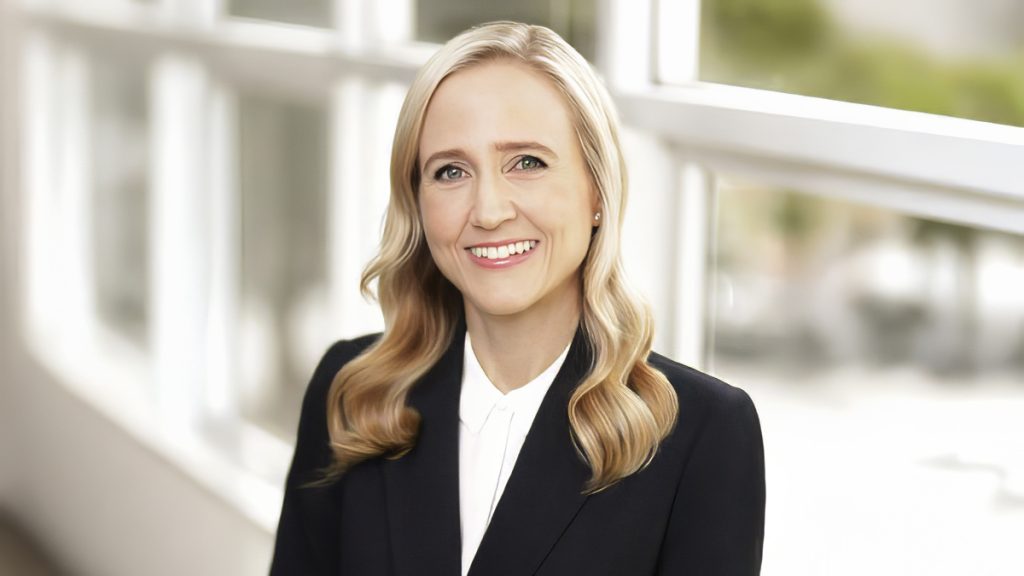
- Clare Schwantes holds a PhD from the University of Queensland and a Master of Theological Studies with a focus on Liturgy, in addition to Bachelor’s degrees in Education and Psychology. She also has diplomas in Editing and Publishing and is a graduate of the Australian Institute of Company Directors. She is the Director of the Archdiocesan Liturgy Office in Brisbane, Australia and Chair of the National Liturgical Council in Australia.
- Clare is the author of From Page to Proclamation – Interpreting Scripture in the Context of Liturgy (2024).