
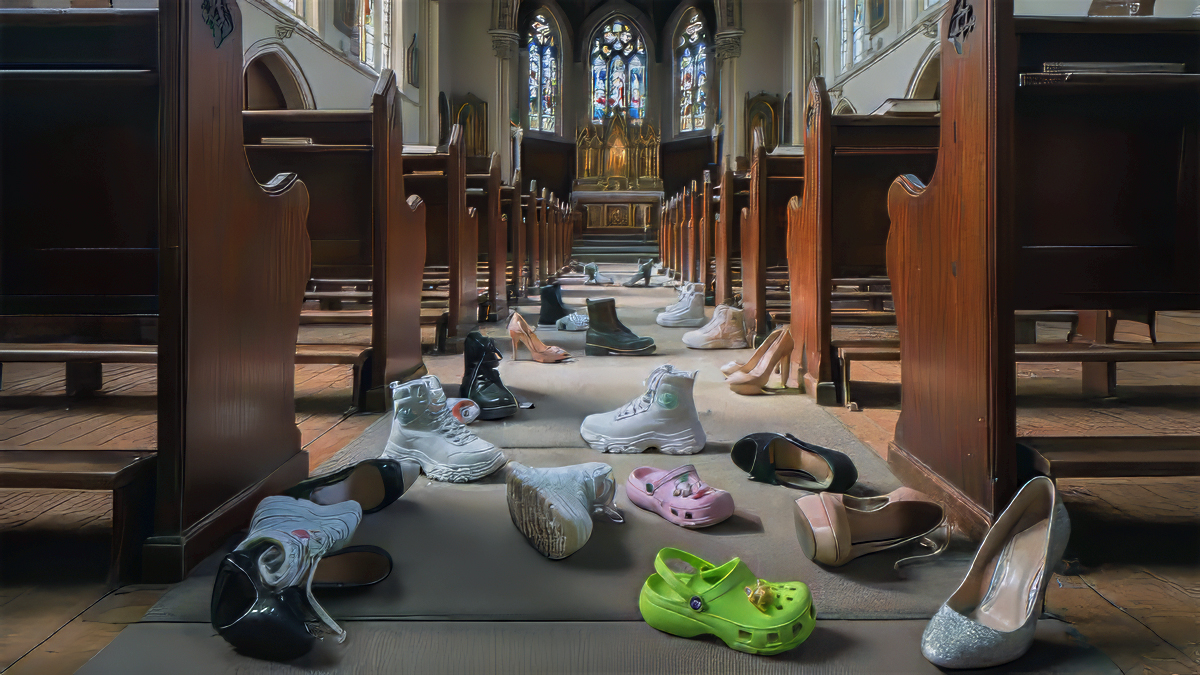
Disillusionment with Catholicism among younger U.S. generations is stark. Recent Pew research shows 12 percent of today’s youngest adults have “switched out” of Catholicism, while only 1 percent of adults aged 18 to 24 have converted.
Young men are now about as religious as women in the same age group—a notable change from the past when young women tended to be more religious.
This narrowing gender gap is driven by declining religiousness among American women, not by increases among young men. Thirty-eight percent of Gen Z women aged 18-24 now identify as religiously unaffiliated.
Church inertia
This trend—not only in the U.S. and U.K. but throughout Western society—should set off alarm bells, especially within the Catholic Church.
Unfortunately, it seems to ignore the concerns of young women who are excluded from governance and ordination in an all-male clerical church. It is determined to continue on a rhetorical synodal path.
Unlike Abraham, it refuses to search for new horizons but is bogged down in the barren desert, dazzled by the setting sun.
The recent Vatican commission’s negative report on admitting Catholic women to the ordained diaconate further alienates young women.
As one young woman stated to me recently: “Why should I be a part of an oppressive and unjust structure that refuses, in practice, to honor my femininity and dignity as an equal to men?”
Anonymous Christians in service to the marginalized
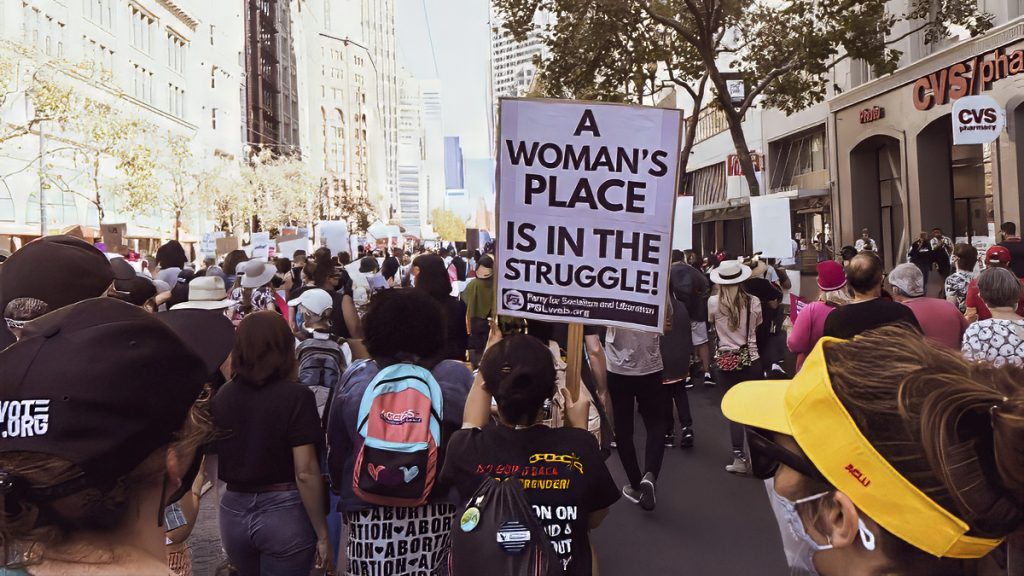
These young women have deserted the Church for the streets, demanding human rights for the marginalized, caring for the homeless on deserted city streets, working to save our planet, and demanding a just society and equality for all.
Karl Rahner called such people Anonymous Christians, as they lead us back to the Beatitudes: empathy for the poor, compassion for the powerless, consolation for the suffering, and justice for all.
However, Rahner’s description is not part of their self-identity. They see themselves as motivated not by religious ethos but by humanitarian concern.
The Last Judgment’s surprising criteria
Matthew’s account of the Last Judgment and the criteria used by the judge—the son of Adam—to reward and punish “all peoples before him” surprises everyone.
Those singled out for everlasting life cannot understand why they are chosen. Neither can those singled out for everlasting punishment understand the judge’s criteria until they are explained in detail.
The judge identifies himself with the hungry, the thirsty, the naked, the sick, the foreigner, and the prisoner. How the assembled peoples responded to “these most inconspicuous members of my family” determines their reward or punishment.
Based on such criteria, those outside the confines of the Church who are not seeking any gain but showing true compassion for the most inconspicuous in society will inherit the Kingdom of God.
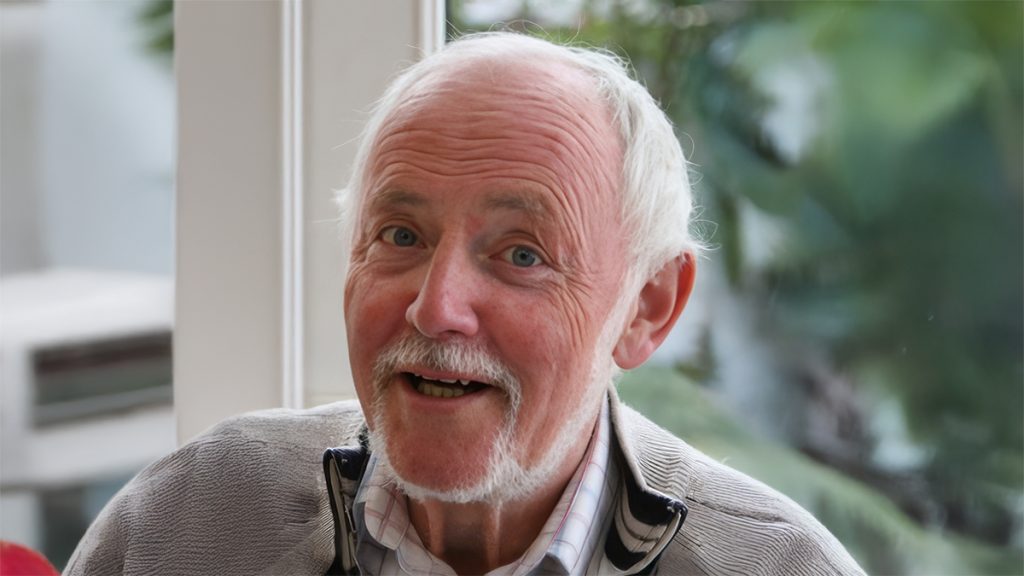
- Brendan Butler is a former secondary school teacher who specialised in teaching Religious Education. His postgraduate degree was in theology from the Antonianum University in Rome. In 1979, he co-founded “The Irish El Salvador Support Committee” and later “The Ireland Algeria Solidarity Group”. He was the co-ordinator of “The N.G.O. Peace Alliance” which was active in the Irish peace movement. He helped to revive the Catholic Church reform movement “We are Church Ireland”, of which he was joint co-ordinator and spokesperson for several years.
- He published: My Story by Jesus of Nazareth, As narrated by Brendan Butler.
- Brendan is also active in contributing articles, letters to Irish Newspapers on Church and human rights issues.