
The doors open at 12:30 sharp, and people surge in, dusty from head to toe, desperate for water, for rest, simply for somewhere to be after walking kilometres under the Spanish sun.
Some have walked alone for days—all carry more than just their backpacks.
This is the work of a hospitalero in Sahagún, Spain, on the Camino de Santiago: welcoming pilgrims, standing at the threshold between exhaustion and relief, offering water and sweets, speaking whatever language bridges the gap between stranger and sanctuary.
German, French, Spanish, English—sometimes all four in a single conversation, the words tangling and switching mid-sentence, but somehow the meaning always landing where it needs to.
The role is unassumingly simple: to show pilgrims that they are welcome.
However, beneath this simplicity runs something profound.
These pilgrims don’t just need a bed. They need to be seen.
The man who runs from Mass, overwhelmed by beauty, crying like a baby. The Māori woman, stunned to be greeted in Te Reo so far from home. The quiet ones, the weeping ones, the ones who don’t quite know why they’re walking at all.
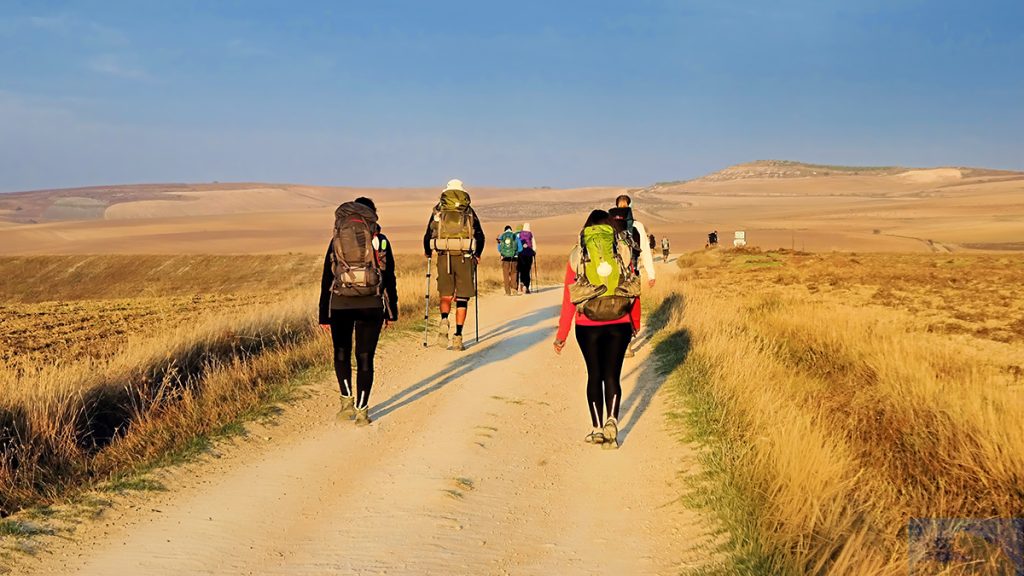
Heaven and earth – the thin line
Here’s the truth about coming to help: you think you’re the one with something to give.
You arrive ready to serve meals, to translate, to make beds and welcome strangers. And you do all of that.
But somewhere between the morning washing for up to fifty-one pilgrims and the evening prayers in Spanish you’re still learning to pronounce, you realise you came looking to help but have been helped instead.
The pilgrims teach you things you didn’t know you needed to learn. About resilience—walking day after day with blistered feet. About vulnerability—allowing yourself to cry, to not know why you’re walking, to let emotions well up and spill over, and about the hospitality gene you carry that connects you to something larger than yourself.
You understand, finally, what it means that the distance between heaven and earth is thin here.
It’s thin when the community Abbess smiles, becoming beautiful.
It’s thin in the shared dinners that feel like fiestas, where people from different countries sit together without the need to argue.
It’s thin when you want to say, “Please don’t go! I was just getting to like you!” but they leave anyway, and somehow that departure teaches you about impermanence and enduring grace.
Here’s the truth
about coming to help:
you realise you came
looking to help but instead
you’ve been helped.
The gift of welcome
What makes this work fulfilling isn’t just the giving—it’s the receiving.
The discovery that in learning to welcome others, you’re welcomed into a thousand-year-old river of prayers and tears and joy.
That in helping pilgrims find their way, you’re finding yours.
In making a place feel like home for strangers, this town starts to feel like home to you.
By the time Compline ends at 9:45, after the potluck fiestas, shared languages, and pilgrim blessings, the day feels less like work and more like grace—both given and received.
I came to be useful. I stayed because I was changed.
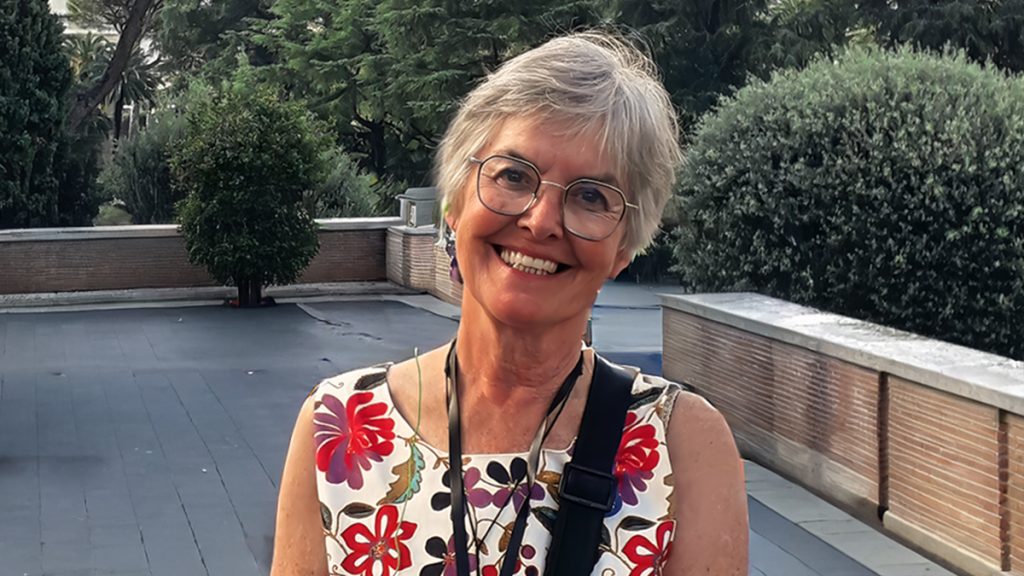
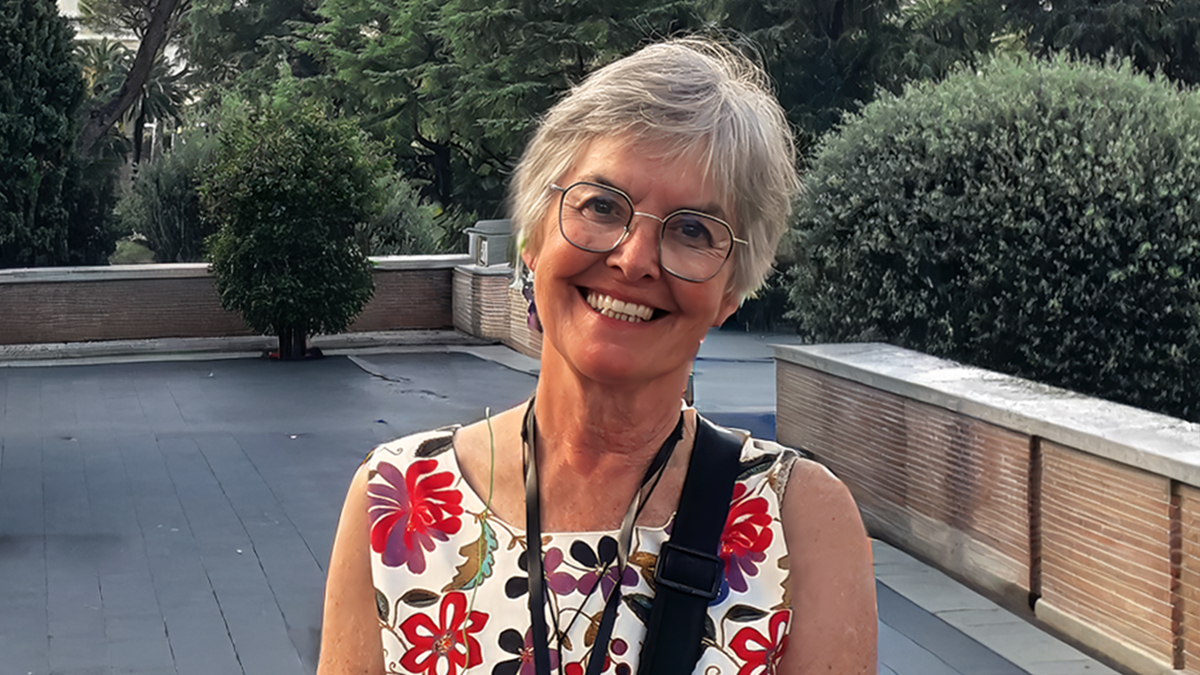
- Juliet Palmer is a Wellington-based writer, editor, and communications specialist with experience in print and digital media. She recently returned to New Zealand after volunteering at a hospitalero in Sahagún, Spain, on the Camino de Santiago.
- Katholisch.de reports In 2025, the Camino de Santiago achieved a historic milestone, surpassing half a million annual arrivals for the first time with a total of 530,987 pilgrims. Notably, a growing trend in winter pilgrimages is travellers seeking to avoid the peak crowds of the warmer months. The momentum is expected to build toward 2027, which will be designated a Holy Year because the Feast of St. James falls on a Sunday.