


Catholics usually learn to confess early in life, but understanding what sin is can be tricky.
As we grow up, we begin to understand sins more broadly — the differences between Original and personal sins, and between mortal and venial sins. Some priests try to explain social and structural sins and how we are part of many sinful structures.
Patriarchy, racism, casteism, and tribalism are classical examples of socio-structural sins. While they exist almost autonomously, we contribute heavily to their survival and continuation.
Sins of commission
Sins of Commission — sins we have actually committed in word and deed, in heart and in thought — are easier to name and confess. If I fight with my spouse frequently, anger can be identified as a sin. If I speak ill of others, tell lies, or indulge in corrupt practices, these can be named.
Sins of Omission are more difficult. Recall the parable of the Good Samaritan, and how a priest and a Levite failed to help a wounded man. Only in quiet reflection might I acknowledge: I could have done more, I should have avoided that, I ought to have spoken up.
A wider horizon
Biblical passages such as the Sermon on the Mount (Matthew 5–7) and the chapter on love (1 Corinthians 13) provide a horizon that illuminates where we have fallen short — where we could have done something more, something else.
The Beatitudes ask me: do I comfort the afflicted, promote peace, hunger and thirst for righteousness? Jesus’ warnings about false piety and the dangers of wealth caution us about our behaviour patterns and priorities.
Paul’s meditation on love challenges me directly: am I growing in kindness, patience, and humility? Do I keep a record of others’ wrongs? Am I genuinely becoming someone who wills the well-being of all?
More than good enough
The point is not to see sin everywhere, but to see how I am growing as a faithful Christian, which itself is a lifetime’s work. As time passes, we realise we fall short of what we are called to be, our shared baptismal call.
Trusting in God’s mercy, we move on. Not because we keep the moral record straight, but because our efforts are worth it.
Being good enough, like the others, is good but not sufficient. Christian discipleship is not merely about “do’s and don’ts” — it is a call to advance inward.
Salt, light, extra mile
Perhaps I am yet to understand, for our times, what it truly means to walk an extra mile, to be salt of the earth, to be light of the world.
These are not decorative phrases. They are demanding invitations — to be visible, costly, and unmistakably oriented toward others.
They challenge us to be authentic, relatable, and responsible Christians. Not someday. Now.
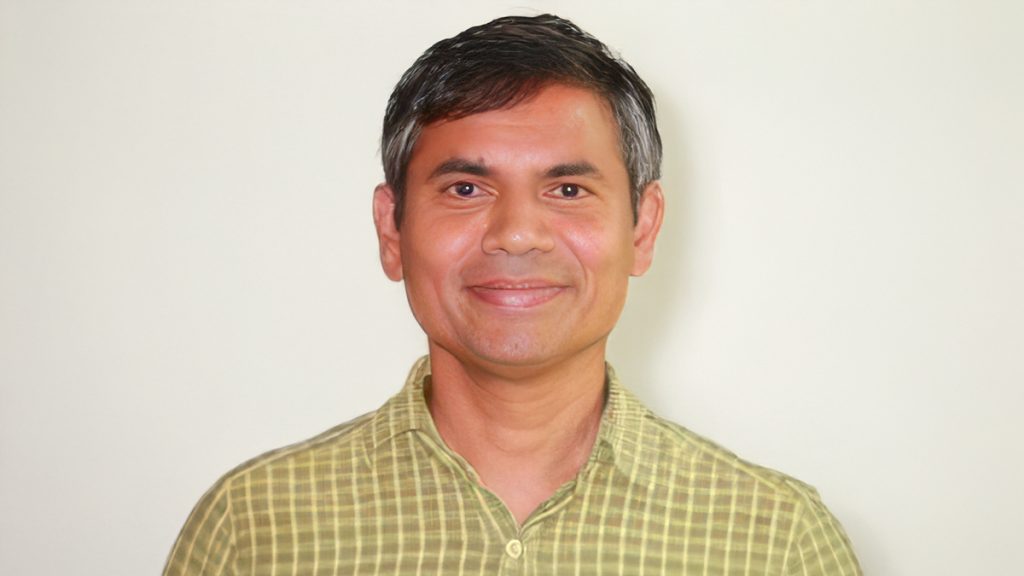
- Stanislaus Alla SJ holds a doctorate from Boston College, USA. He is an internationally published writer with interests in ethical concerns. He currently teaches at Vidyajyoti College of Theology, Delhi.