
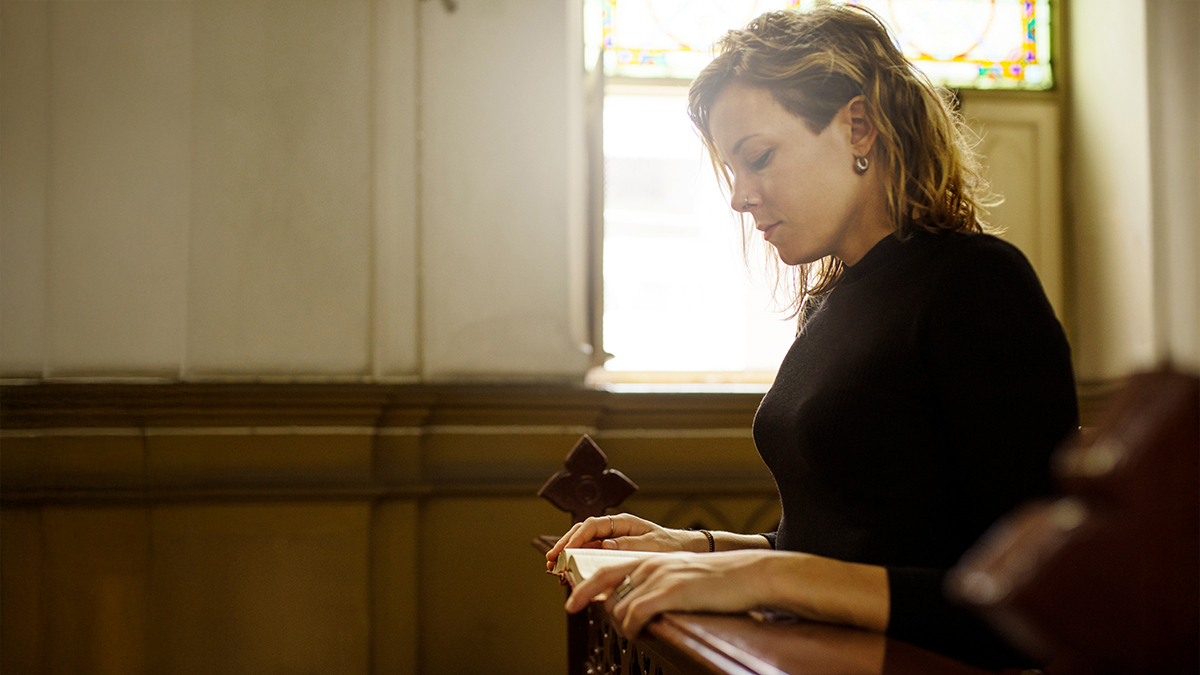

There is a quiet theme running through Pope Leo XIV’s recent words to the Church, a thread woven between his address to liturgical pastoral workers and his homily to choirs one week later.
It is the simple, transformative invitation to listen. Not merely to hear, but to adopt a posture of interior receptivity, allowing the word of God and the song of the Church to shape us from within.
We usually think of liturgical ministry as something active. Readers proclaim, psalmists sing, intercessors give voice to the prayers of the faithful, musicians animate the assembly’s praise.
Yet before any of these acts is a deeper, quieter one. Listening.
- A reader who has not listened deeply to the Scriptures will struggle to proclaim them with truth.
- A psalmist who has not allowed the word to take root in their heart will sing only notes, not prayer.
- An intercessor who has not listened to God’s people will speak words that do not carry their longing.
Formation and Participation
In his address to liturgical pastoral workers in Rome last month, Pope Leo called for renewed attention to biblical and liturgical formation.
He described this as formation “that helps the faithful to understand, through rites, prayers and visible signs, the mystery of faith that is celebrated.”
Readers, he said, need more than functional preparation. They need “basic biblical competence” and the capacity to let the word speak through them with clarity and authenticity.
Formation, he insisted, must be accessible, grounded and shared widely, “to foster the fruitful participation of the People of God.”
Music as Prayer
The same call to deep listening resonated in Pope Leo’s Homily at the Jubilee of Choirs.
He did not begin with technique or repertoire, but with the inner disposition of those who minister through music.
He reminded choir members that their task in the liturgy is “to draw others into the praise of God” and to help the whole assembly “participate more fully in the liturgy through song.”
Indeed, liturgical music begins not with performance but with a kind of listening that allows the choir to serve the prayer of the Church and support the voice of the whole People of God.
The Grace of Attention
This listening is not reserved for ministers. It belongs to the whole assembly.
We practise it every time we allow silence to settle between the readings, every time we resist the urge to rush, every time we stand before the word with openness rather than distraction.
It is a profoundly ecclesial act. We listen not as isolated individuals but as members of a Body, joined in the desire to hear what the Spirit is saying to the Church.
In a world full of noise, this may be one of the most counter-cultural gifts the liturgy offers us: the grace of unhurried, receptive attention.
Pope Leo’s recent invitations suggest that the renewal of liturgical life may depend less on new strategies than on recovering this ancient art of listening.
When assemblies, ministers and musicians lean into this posture, something changes.
Scripture moves from being merely read to being received. Hymns are not only sung but believed.
And the liturgy becomes again what it is meant to be: the place where the word of God shapes the people of God from the inside out.

- Clare Schwantes holds a PhD from the University of Queensland and a Master of Theological Studies with a focus on Liturgy, in addition to Bachelor’s degrees in Education and Psychology. She also has diplomas in Editing and Publishing and is a graduate of the Australian Institute of Company Directors. She is the Director of the Archdiocesan Liturgy Office in Brisbane, Australia and Chair of the National Liturgical Council in Australia.
- Clare is the author of From Page to Proclamation – Interpreting Scripture in the Context of Liturgy (2024).